Water Damage Restoration in Canyon Lake, TX
Water removal, extraction, and structural drying for Canyon Lake hill country homes — covering roof leaks, rain-related water intrusion, plumbing failures, water heater leaks, wet ceilings, attic moisture, and hidden water that has traveled through wall cavities and insulation across the Canyon Lake area.
Water damage restoration in Canyon Lake is the removal of unwanted water from residential properties, followed by moisture detection and structural drying of the building materials the water contacted. Because Canyon Lake is a Hill Country community with lakefront and vacation homes as well as full-time residences, losses often involve roof leaks and rain intrusion that appear as ceiling stains and attic moisture — the visible stain is frequently the end of the water's path, not the beginning. New Braunfels Water Damage Restoration provides water damage cleanup services for properties in Canyon Lake and surrounding areas.
Water Damage Restoration in Canyon Lake, TX
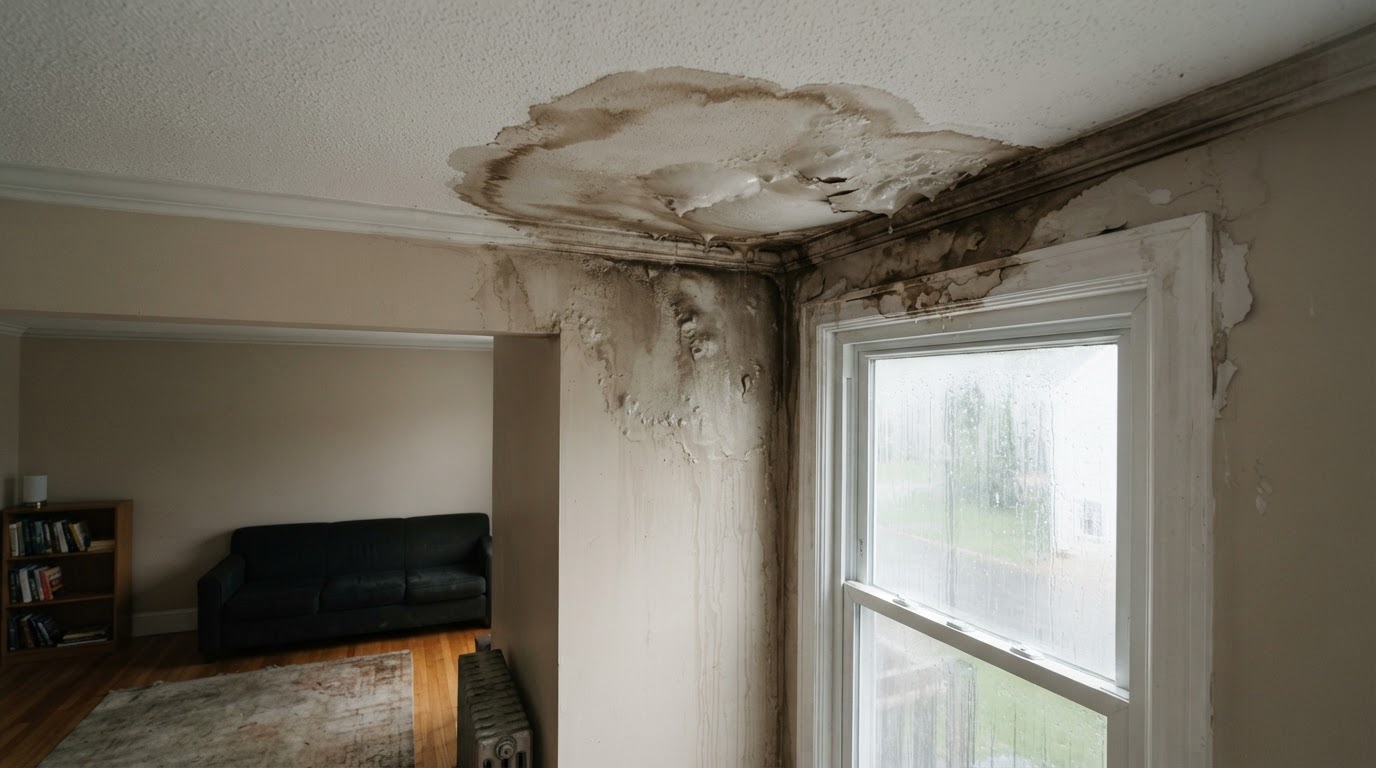
Canyon Lake's Hill Country setting means many homes sit beneath trees, on sloped lots, and with roof and attic configurations that make water intrusion a common source of loss. A roof leak above an attic can run along a rafter, drip onto the ceiling drywall of a room below, and wick into the wall cavity — appearing as a stain on the ceiling far from where the water actually entered. The visible stain is often the end of the water's path, not the beginning, which is why the full scope of a Canyon Lake loss is usually larger than the visible damage suggests.
Restoration is the complete process, not just the cleanup. Water migrates into porous materials — drywall, insulation, the subfloor under finished flooring, and the framing inside wall and attic cavities — and a surface that looks dry can hold enough bound moisture to cause warped trim, stained ceilings, and conditions favorable to microbial growth weeks later. Thorough restoration combines bulk extraction, moisture detection across affected assemblies, controlled evaporation with air movement and dehumidification, and a documented drying plan tracked until materials return to an acceptable baseline.
For Canyon Lake homeowners — including part-time residents and owners of vacation rental properties — complete mitigation preserves more of the original materials and reduces the chance of a recurring moisture problem that goes unnoticed between visits. Roof and rain losses are handled after the roof leak itself is repaired by a roofing contractor; the interior drying is a separate project.
What should I do if I discover water damage in Canyon Lake?
Stop the water source if it can be done safely — the supply valve to a water heater, the angle stop behind a toilet, or the property's main shutoff. For roof or rain intrusion, contain what you can with towels or buckets and arrange roof repair. Avoid electrical hazards: do not stand in standing water near outlets or a breaker panel, and keep people and pets away from any contaminated water. Move unaffected belongings out of the wet area if safe, and document the damage. Then contact a water damage restoration team for extraction and drying. Call 830-356-3743 to check current service availability for your Canyon Lake property.
Call now to check immediate availability for water damage restoration in Canyon Lake.
Call 830-356-3743Water Removal and Extraction in Canyon Lake
Water removal is the first step after the source is stopped or the roof leak is contained. Standing water is extracted with portable units; for larger losses, higher-volume equipment moves water out quickly. Weighted subfloor extractors press water from carpet and padding so the underlayment and subfloor beneath can be dried rather than replaced in every case. For a roof leak that has pooled water in an attic or on a ceiling, extraction also addresses water that has saturated the ceiling drywall before it breaks through.
Extraction only removes the water you can see and reach. The moisture bound inside ceiling drywall, attic insulation, the subfloor under finished flooring, and the framing inside wall cavities does not evaporate on its own in a useful timeframe. Structural drying handles that residual moisture with controlled airflow and dehumidification, and monitoring confirms when materials have actually returned to a dry baseline rather than simply looking dry.
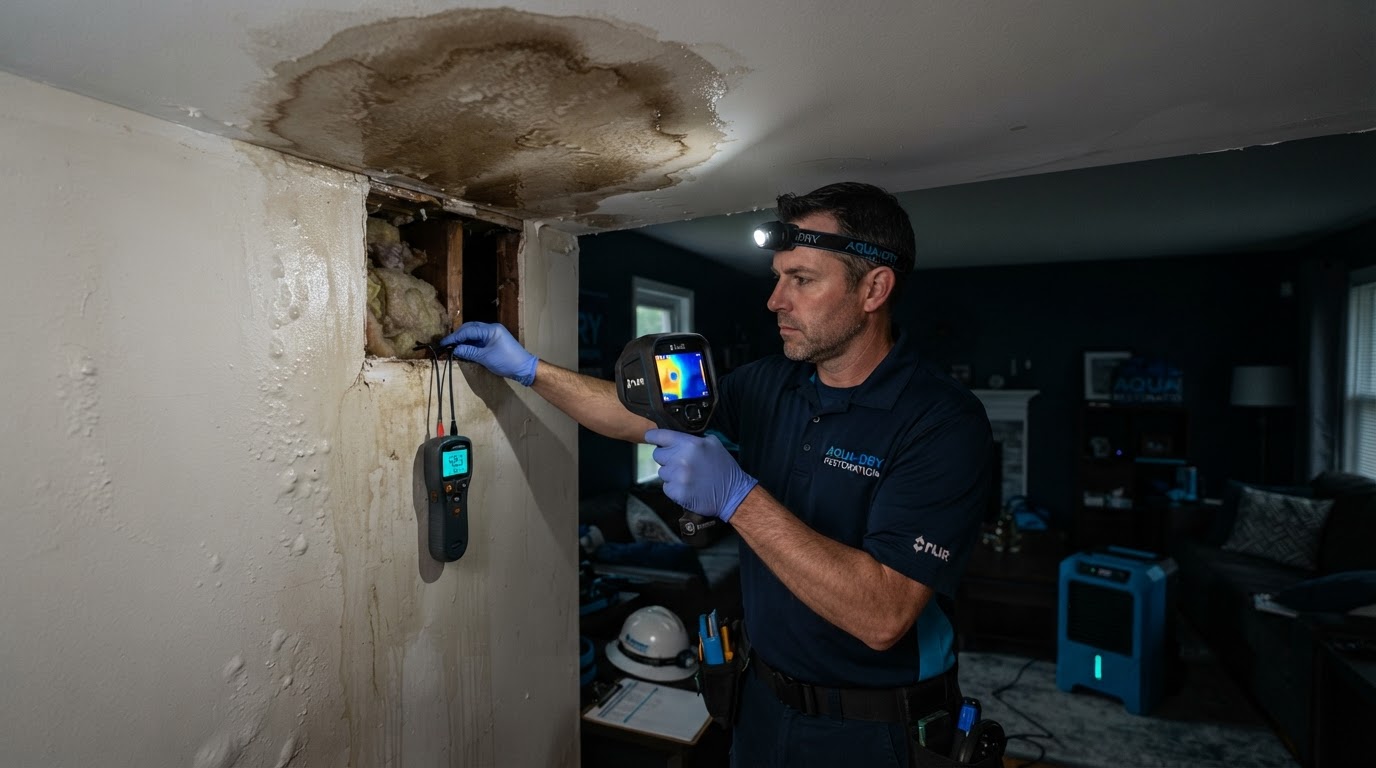
This distinction matters in Canyon Lake because roof and rain losses travel through concealed attic and wall assemblies. A ceiling stain is often the visible endpoint of water that ran along framing and into the wall cavity, so detection extends above and behind the visible damage before drying equipment is placed. Call 830-356-3743 to check service availability for emergency water removal and structural drying in your Canyon Lake property.
Extraction vs. structural drying: water extraction removes excess or standing water. Structural drying addresses the moisture that remains inside building materials after visible water has been removed. Both stages are needed for a complete dry-down.
Common Water Damage Causes in Canyon Lake
Canyon Lake's Hill Country setting and roof-heavy residential construction produce a distinctive set of water damage scenarios. These are the most common sources addressed across the area.
Roof Leaks
Failed roof penetrations, damaged flashing, and wind-driven rain let water enter through the roof and appear as ceiling stains, wet insulation, and moisture inside wall cavities — often far from the actual entry point.
Rain & Storm Intrusion
Heavy rain around doors, windows, and roof valleys introduces water into finished interiors. The visible stain is frequently the end of the water's path, not the beginning, so the full scope is larger than it appears.
Water Heater Leaks
Tank leaks and corroded valves flood utility spaces and adjacent rooms. Water from a failed heater commonly spreads beneath nearby flooring before it is noticed, especially in part-time residences.
Plumbing Failures
Burst supply lines, stressed fittings, and failed fixture shutoffs release pressurized water fast. A burst line can soak a cabinet base, the subfloor, and the drywall behind the vanity within minutes.
Wet Ceilings & Attics
Water that saturates ceiling drywall from a roof or attic leak causes stains, swelling, and sagging. Wet attic insulation and the framing above require drying along with the ceiling below.
Hidden Wall Moisture
Water that enters a wall cavity travels down the studs, soaks insulation, and pools at the bottom plate behind the baseboard. A wall that feels dry can hold enough moisture inside to cause warping and staining weeks later.
A useful point for Canyon Lake homeowners: the ceiling stain is usually only the end of the water's path. Roof and rain losses travel through attic framing and along wall cavities before appearing as a visible mark, so the full moisture boundary extends above and behind the stain. Detection covers the attic and wall cavity, not just the ceiling surface.
Water Damage Services Available in Canyon Lake
Property owners in Canyon Lake may need water extraction after roof leaks, rain intrusion, or plumbing and water heater failures — and the right service combination depends on the source and extent. These are the core restoration services available for Canyon Lake properties.
A roof leak in a Canyon Lake home calls for emergency water removal first — getting any pooled water out of the attic or off the ceiling — followed by moisture detection that traces the water's path through framing and into the wall cavity. After the roof leak itself is repaired by a roofing contractor, the interior drying is a separate project: the wet ceiling drywall, attic insulation, and wall cavity are dried before secondary damage develops. This page focuses on the interior water damage resulting from roof leaks, not roof repair.
Storm and heavy-rain exposure drives door, window, and roof-valley intrusion that appears as wet ceilings, attic moisture, and stained walls. Rainwater that entered the structure is extracted and the affected assemblies are dried, with detection extending above and behind the visible stain. Plumbing and water heater failures follow the same extraction-then-drying sequence as in any home, with added attention to the wall cavity behind the failed fixture and the subfloor beneath the cabinet.
Because Canyon Lake includes vacation and rental properties, losses sometimes go unnoticed between visits, which makes thorough detection and drying especially important. A slow roof or plumbing leak can cause hidden moisture in attic and wall cavities for weeks before it is found, so the full moisture boundary is mapped before drying equipment is placed.
Need water extraction or drying for a Canyon Lake property? Call to check availability.
Call 830-356-3743The Water Damage Restoration Process in Canyon Lake
Every Canyon Lake water damage project follows a structured sequence that stops the loss first, then systematically dries and documents the structure. The stages stay consistent even as the details adapt to the source and materials.
Inspection & Moisture Mapping
The property is inspected to identify the water source, safety hazards, and the full boundary of affected materials — including the attic and wall cavities above and behind a ceiling stain. Moisture meters and thermal imaging map concealed wet areas.
Source Stabilization
If water is still entering, the priority is stopping it at the fixture or containing the roof or rain intrusion until a roofing contractor repairs it. Drying cannot succeed while new water keeps arriving.
Water Extraction
Standing water is removed with portable extractors and weighted subfloor tools. Water that has pooled in an attic or saturated a ceiling is extracted before it breaks through the drywall.
Affected Material Evaluation
Wet ceiling drywall, attic insulation, and wall cavity framing are evaluated for drying in place versus removal. Contaminated or structurally damaged materials are identified for controlled removal.
Structural Drying & Dehumidification
Air movers and dehumidifiers dry the ceiling assembly, attic, wall cavities, and subfloor where moisture migrated. Equipment targets concealed assemblies above and behind the visible damage, not just the open room.
Monitoring & Restoration Planning
Moisture readings are tracked across visits until materials return to an acceptable dry baseline. A restoration plan then outlines any drywall repair, insulation replacement, or finishing work needed to complete recovery.
How long does water damage restoration take in Canyon Lake?
There is no universal timeline. Drying depends on the water volume, the water source, which materials were affected (including attic insulation and ceiling drywall), how far moisture traveled through concealed assemblies, indoor conditions, and how quickly mitigation began. A single-room clean-water loss may dry in a few days; a roof leak with saturated attic insulation and wall cavities can take longer. Drying is complete only when moisture readings confirm materials have returned to an acceptable baseline — not when the ceiling looks dry. No exact completion time is guaranteed.
Canyon Lake Service Area & Nearby Communities
Canyon Lake sits in the Hill Country northwest of New Braunfels, along the Guadalupe River. New Braunfels Water Damage Restoration is based in New Braunfels, TX 78130 and provides water damage cleanup services for properties in the Canyon Lake area and the surrounding Central Texas region. There is no separate Canyon Lake office; services are dispatched from the New Braunfels location.
Water damage restoration assistance is also available across neighboring Central Texas communities. If your loss is outside Canyon Lake, the related service-area pages below cover nearby cities.
Nearby Service Areas
New Braunfels Water Damage Restoration provides water damage restoration services for Canyon Lake and surrounding Central Texas communities from our base in New Braunfels, TX 78130.
Before & After Water Damage Restoration Transformations Near Canyon Lake, TX
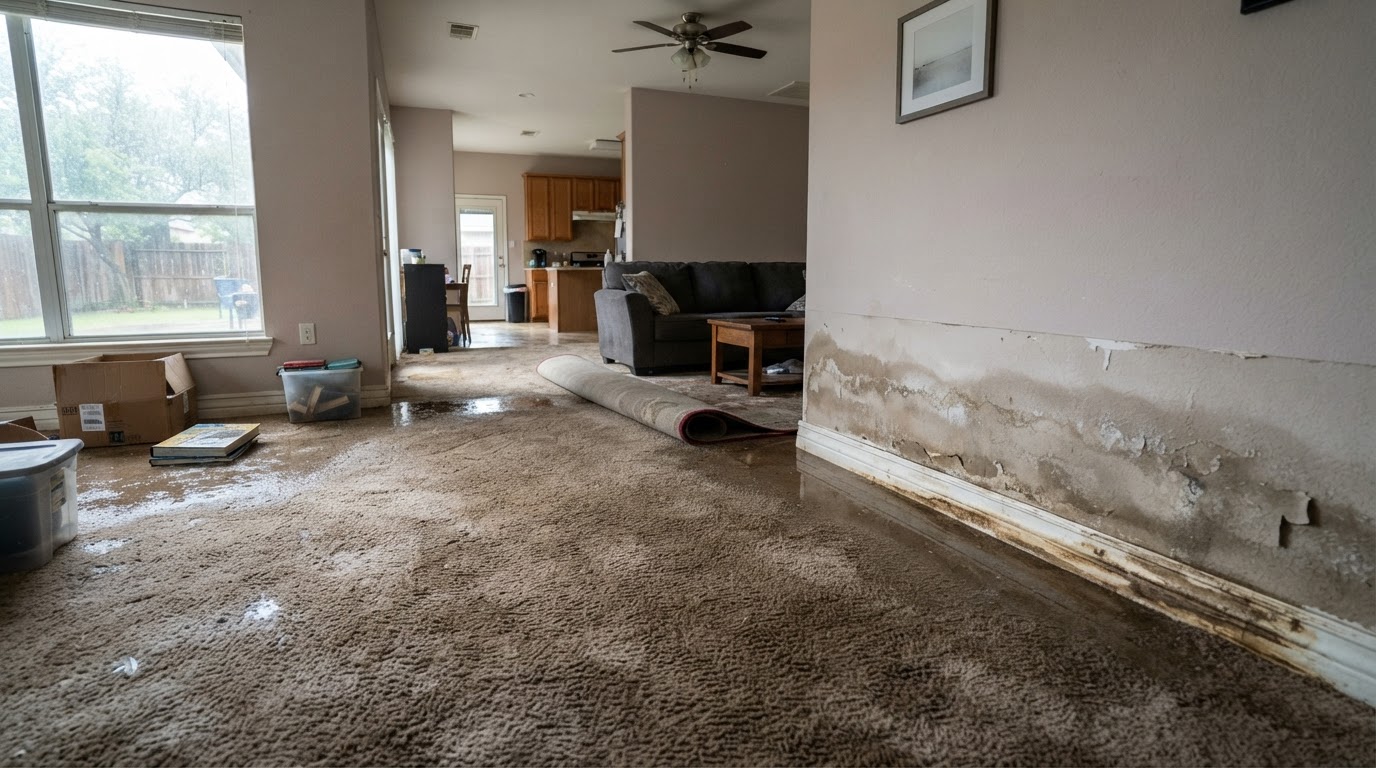
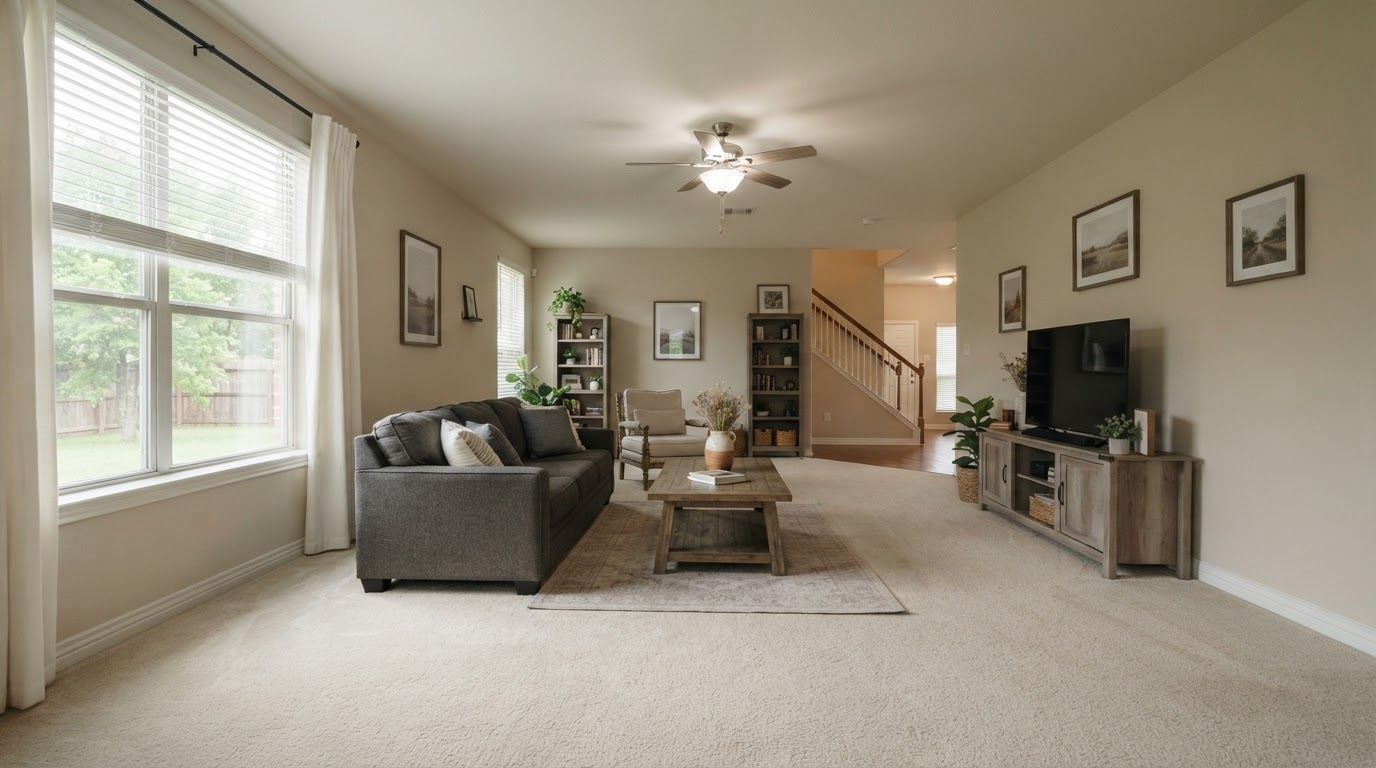
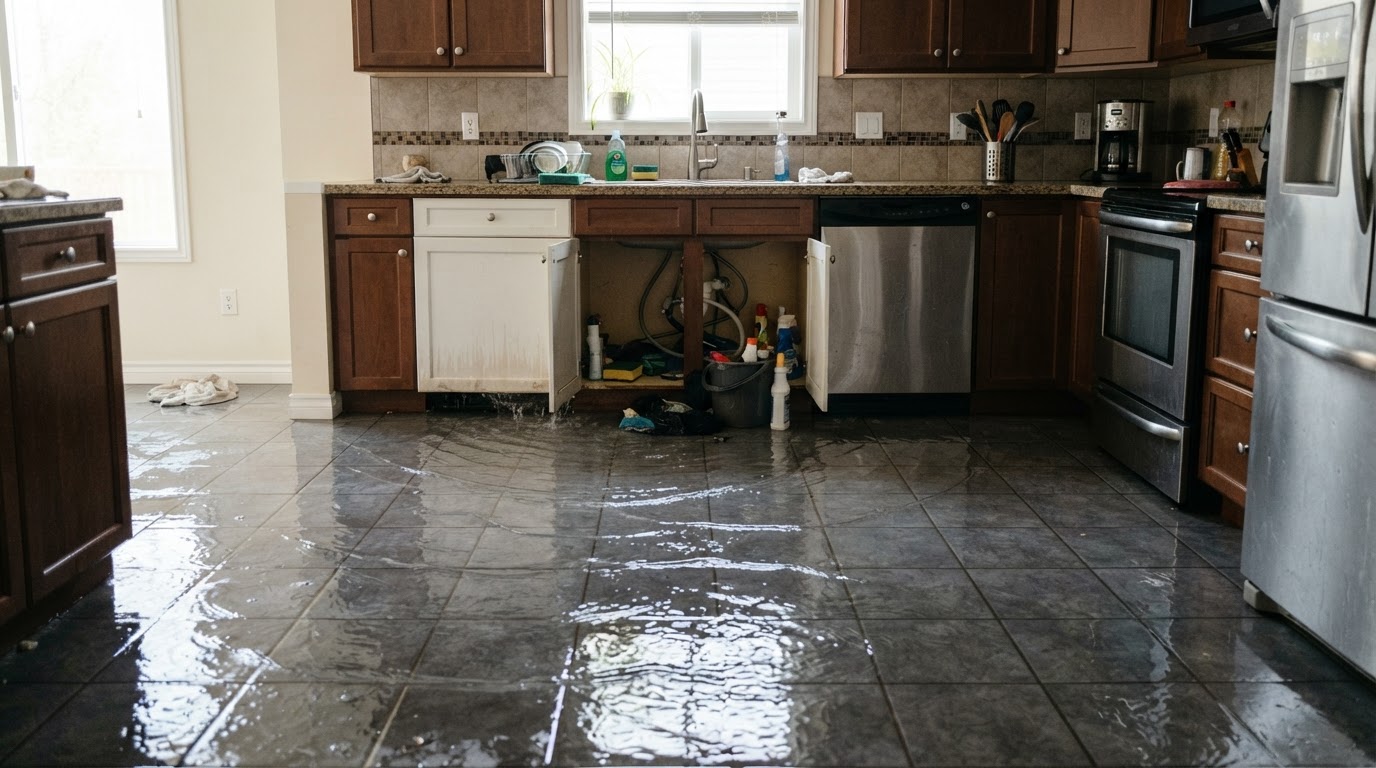
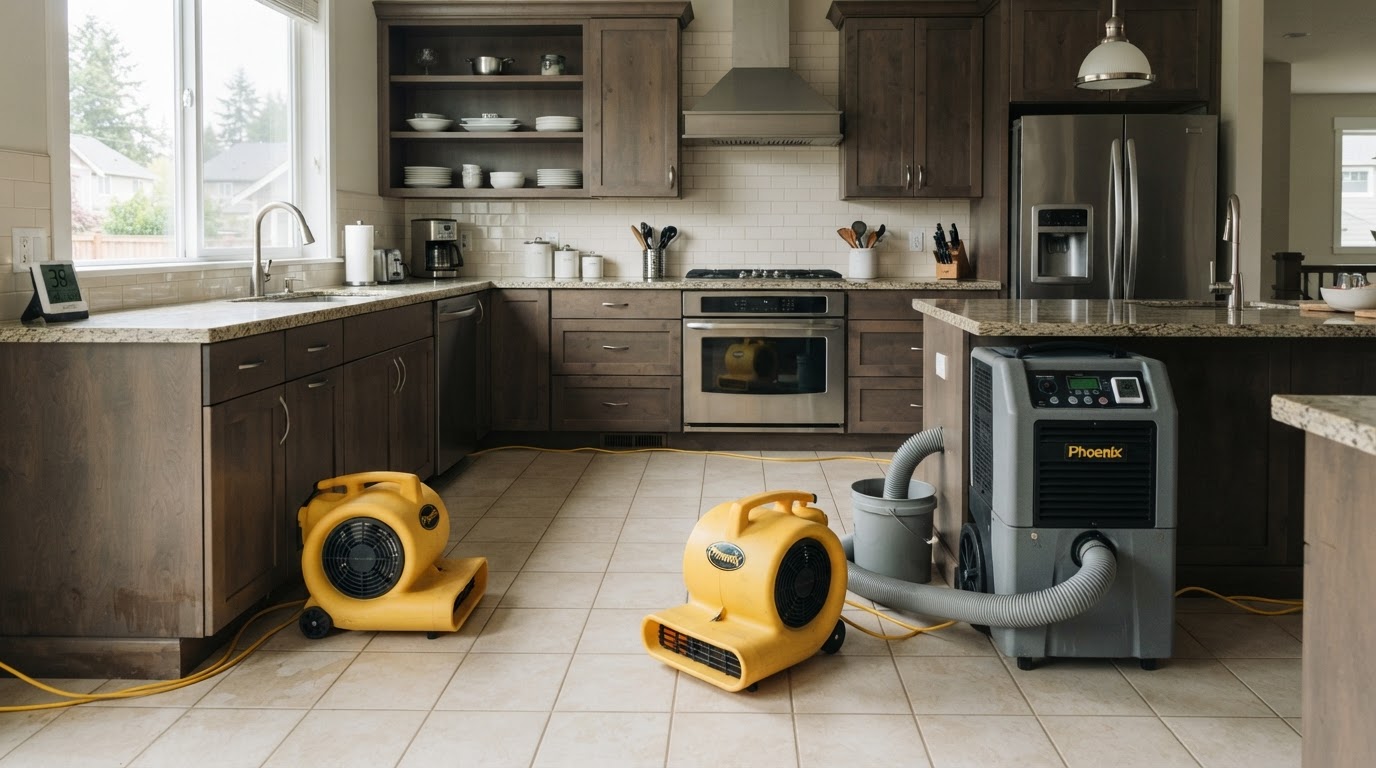
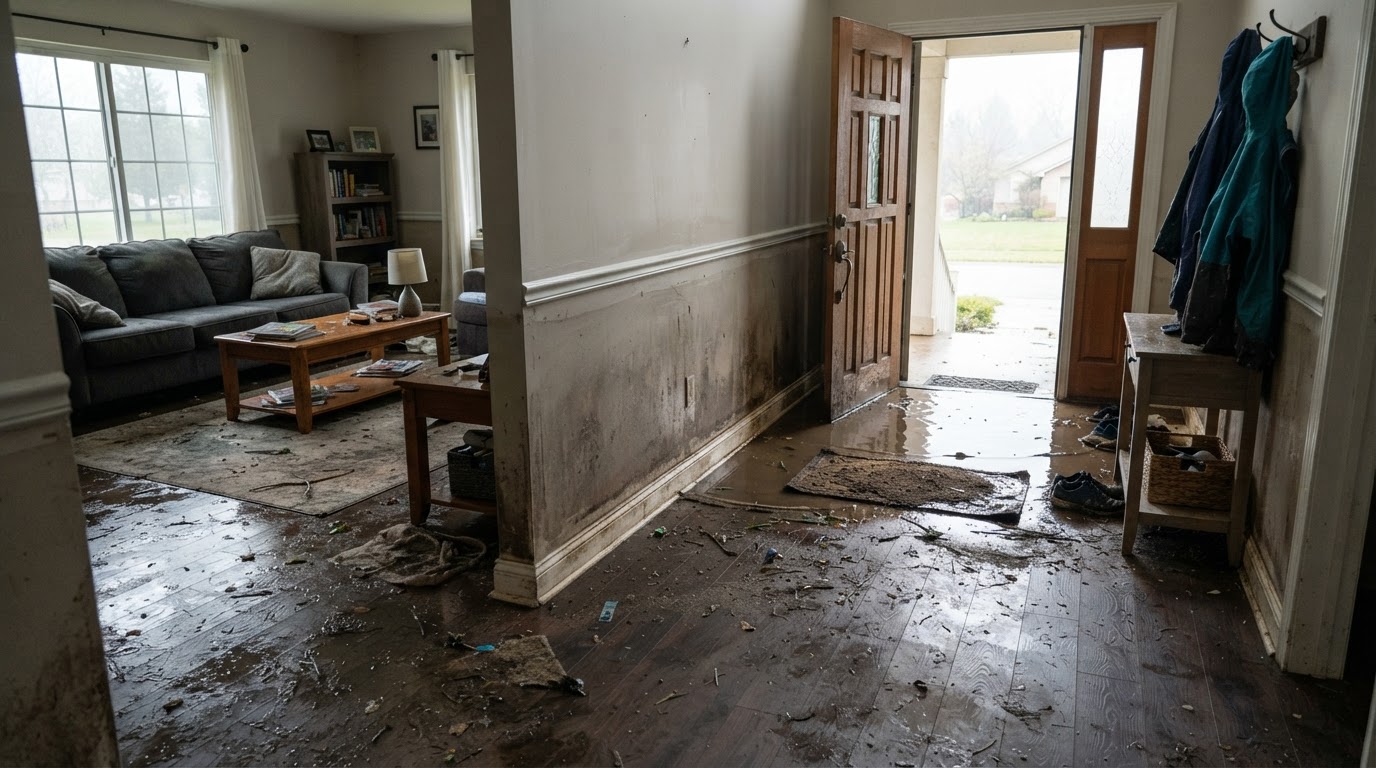
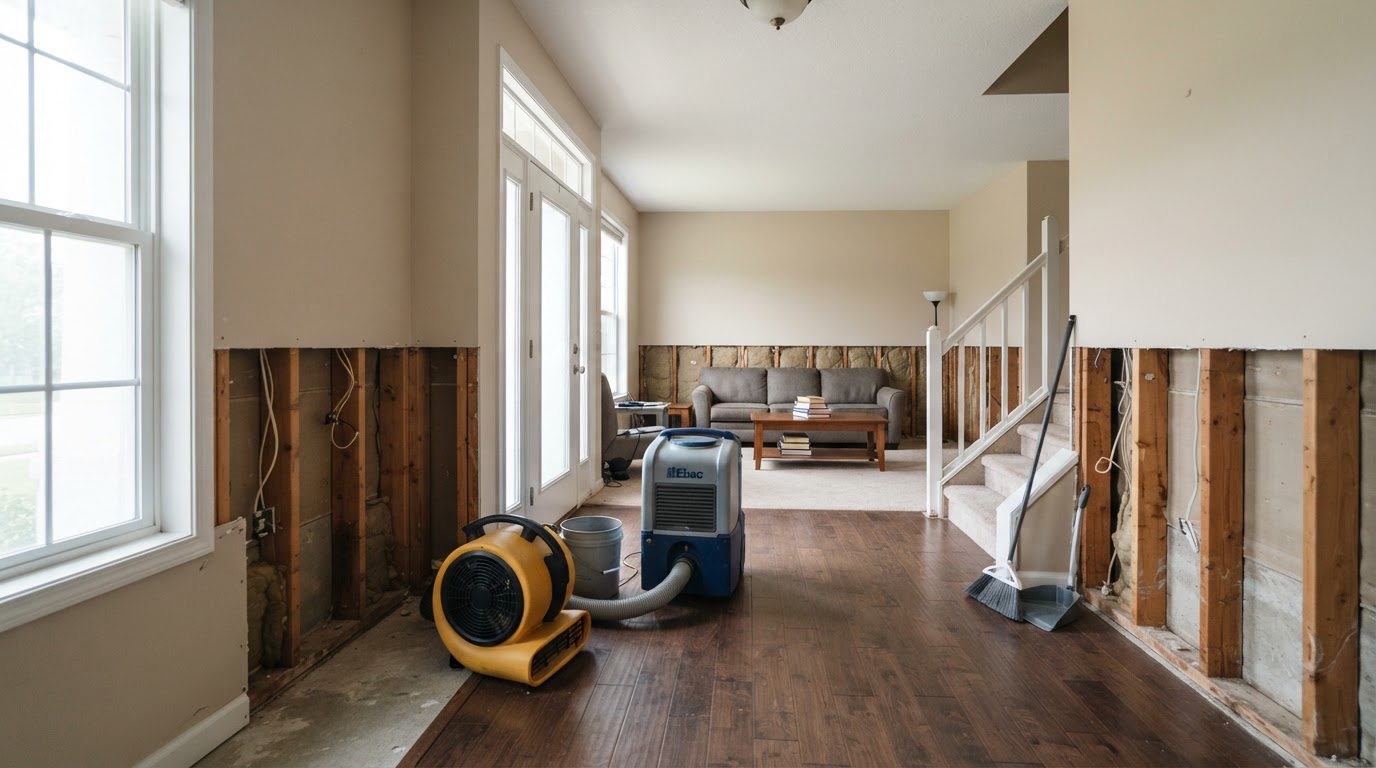
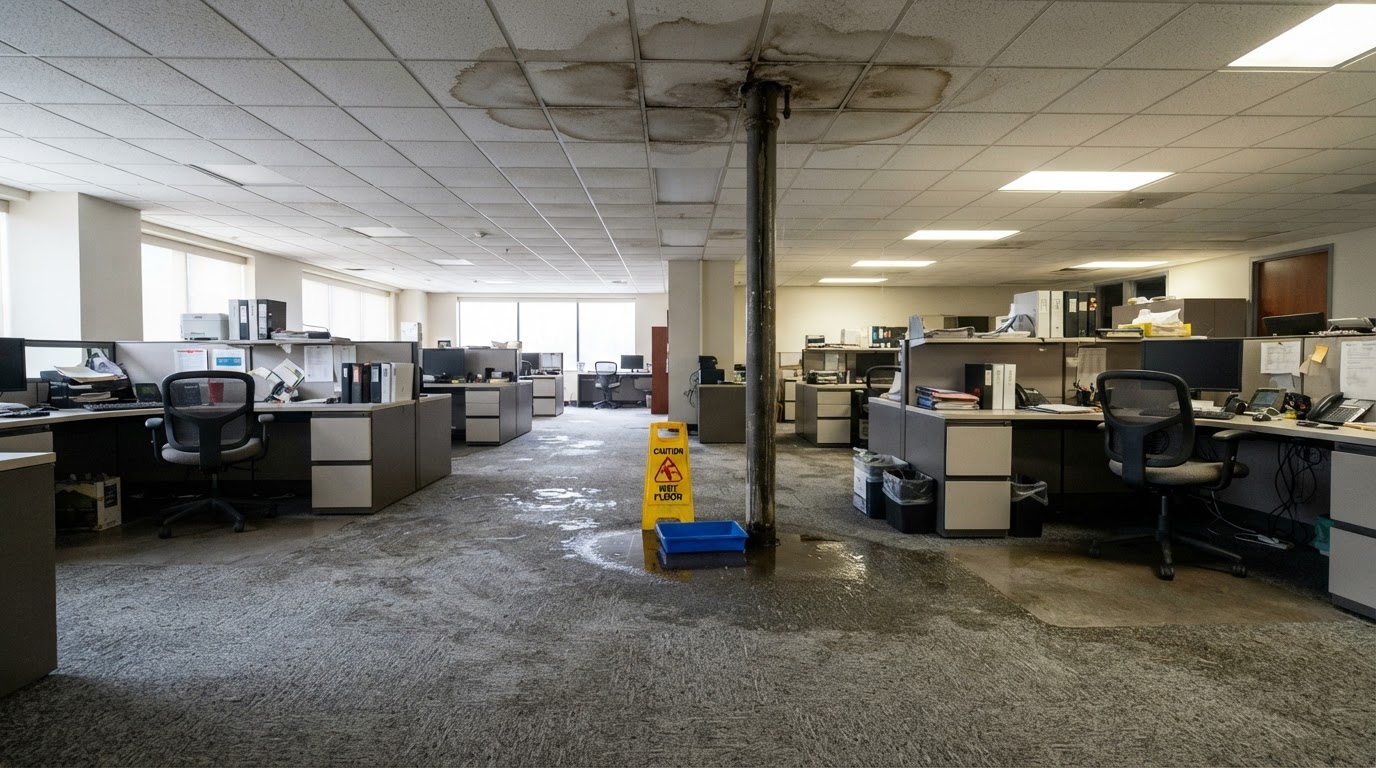
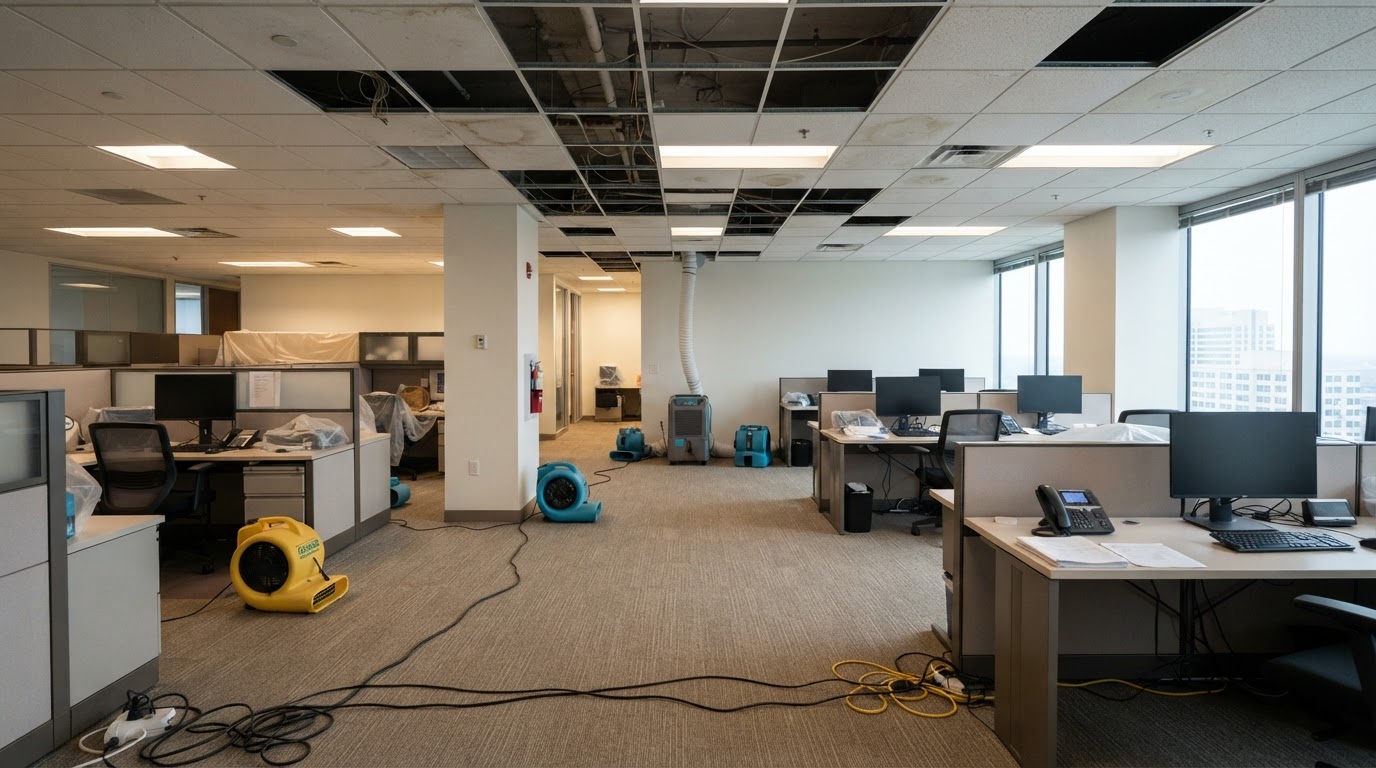
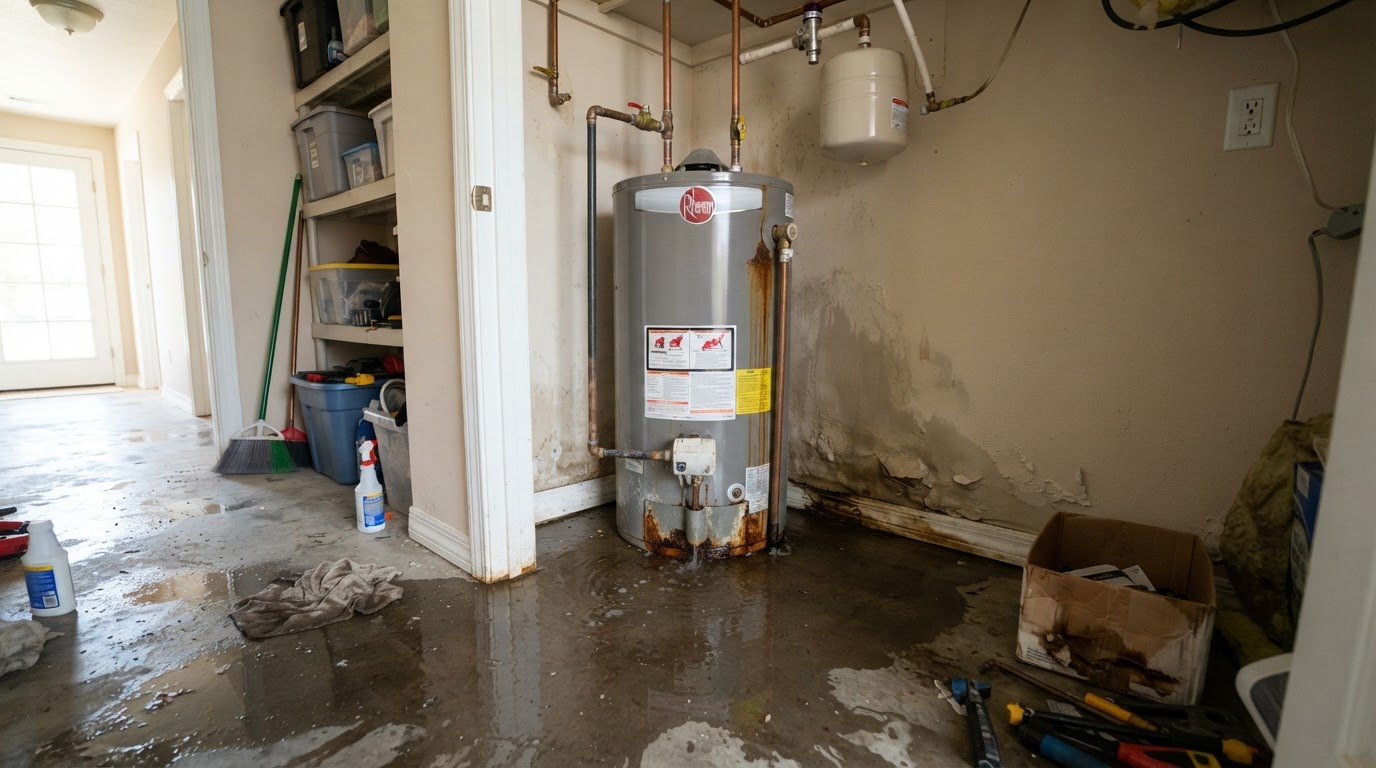
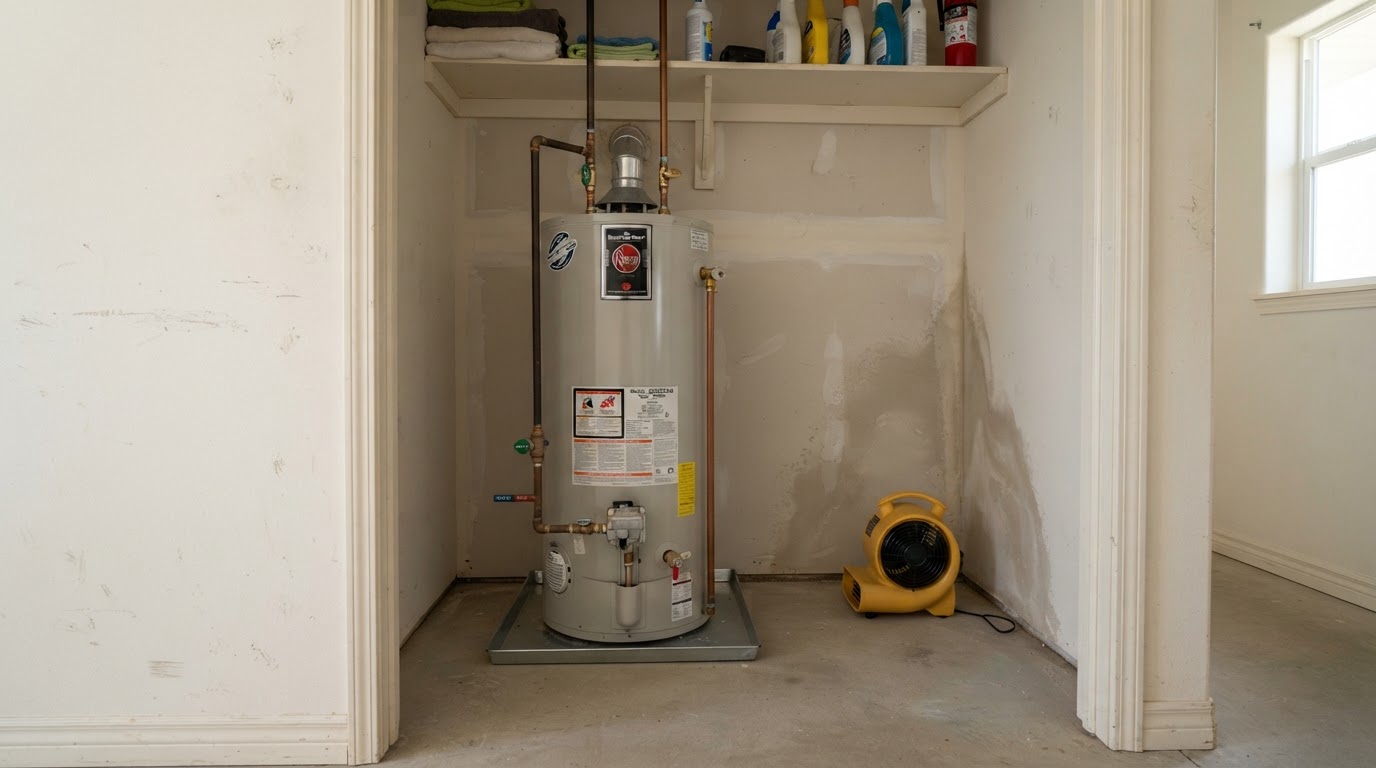
These interactive before-and-after comparisons illustrate common water-damage mitigation and restoration situations we address for Canyon Lake properties. Each slider focuses on a separate service — water damage restoration in Canyon Lake, emergency water removal near Canyon Lake, water extraction, flood damage cleanup, sewage cleanup, burst pipe water damage cleanup, storm and heavy rain water restoration, structural drying in Canyon Lake, and commercial water damage restoration. Drag the handles to compare the initial condition with the post-extraction and drying result across residential properties and secondary-home style interiors on sloped sites. Additional sliders show water heater leak cleanup, appliance leak cleanup, ceiling water damage restoration near Canyon Lake, wall water damage cleanup, and flooring water damage restoration, reflecting storm and heavy-rain intrusion and plumbing-related losses common to the area.
Interactive images are representative service examples intended to illustrate common water-damage mitigation, cleanup, drying and restoration conditions. Actual project appearance varies by property, source of water, affected materials, contamination level, drying requirements and site conditions.
Water Damage Restoration in Canyon Lake
Professional water damage restoration focuses on locating affected areas, removing water, controlling moisture, drying structural materials, and determining which materials can be cleaned, dried, or require removal based on the loss.
Emergency Water Removal & Water Extraction Near Canyon Lake
Prompt water extraction removes accessible standing water and reduces continued moisture exposure before detailed drying and restoration work begins. Call 830-356-3743 for current water-removal availability in Canyon Lake.
Flood Damage Cleanup in Canyon Lake
Flood-damage cleanup may involve extraction, debris removal, cleaning, moisture assessment, removal of unsalvageable materials, and controlled structural drying based on the water source and affected materials.
Sewage Backup & Black Water Cleanup Near Canyon Lake
Sewage and black-water losses require contamination-aware cleanup procedures, removal of affected materials when necessary, cleaning, and drying based on the water category and surfaces involved.
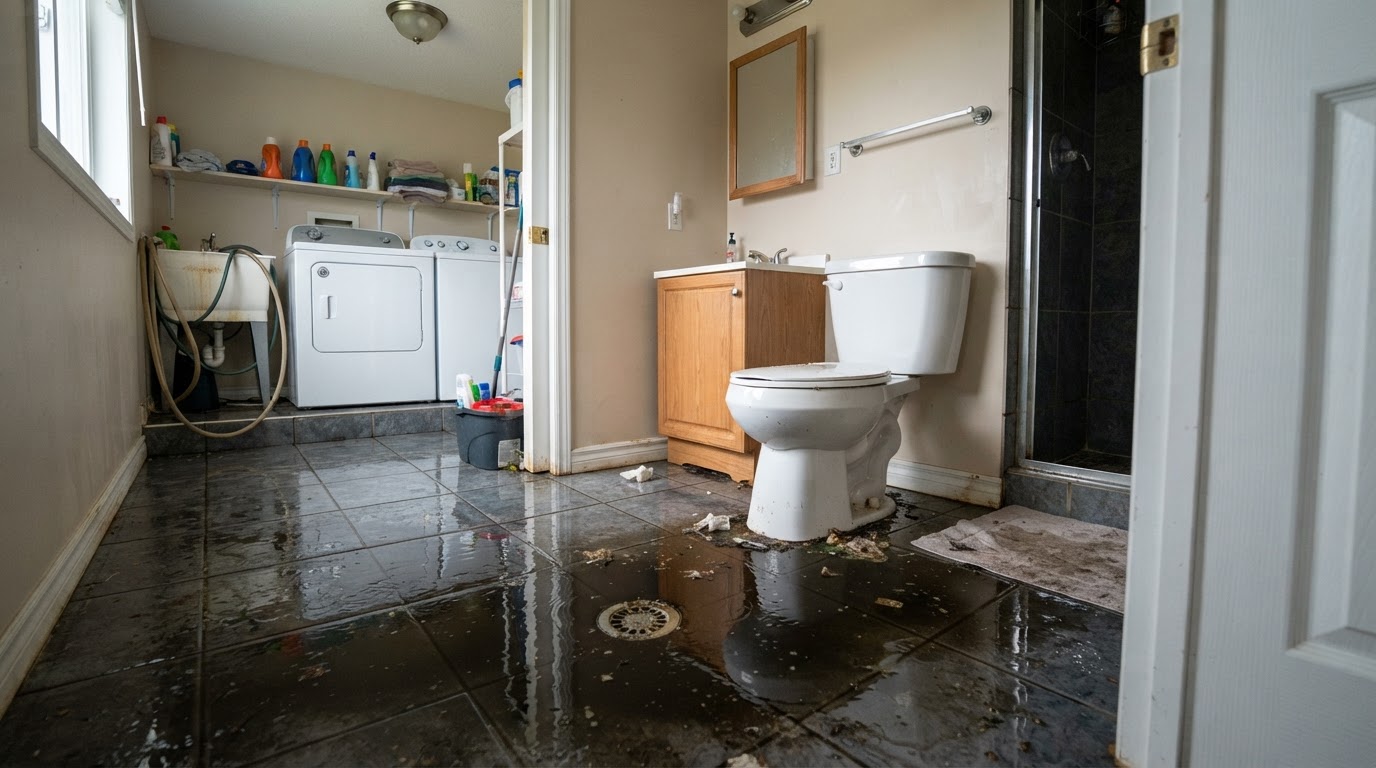
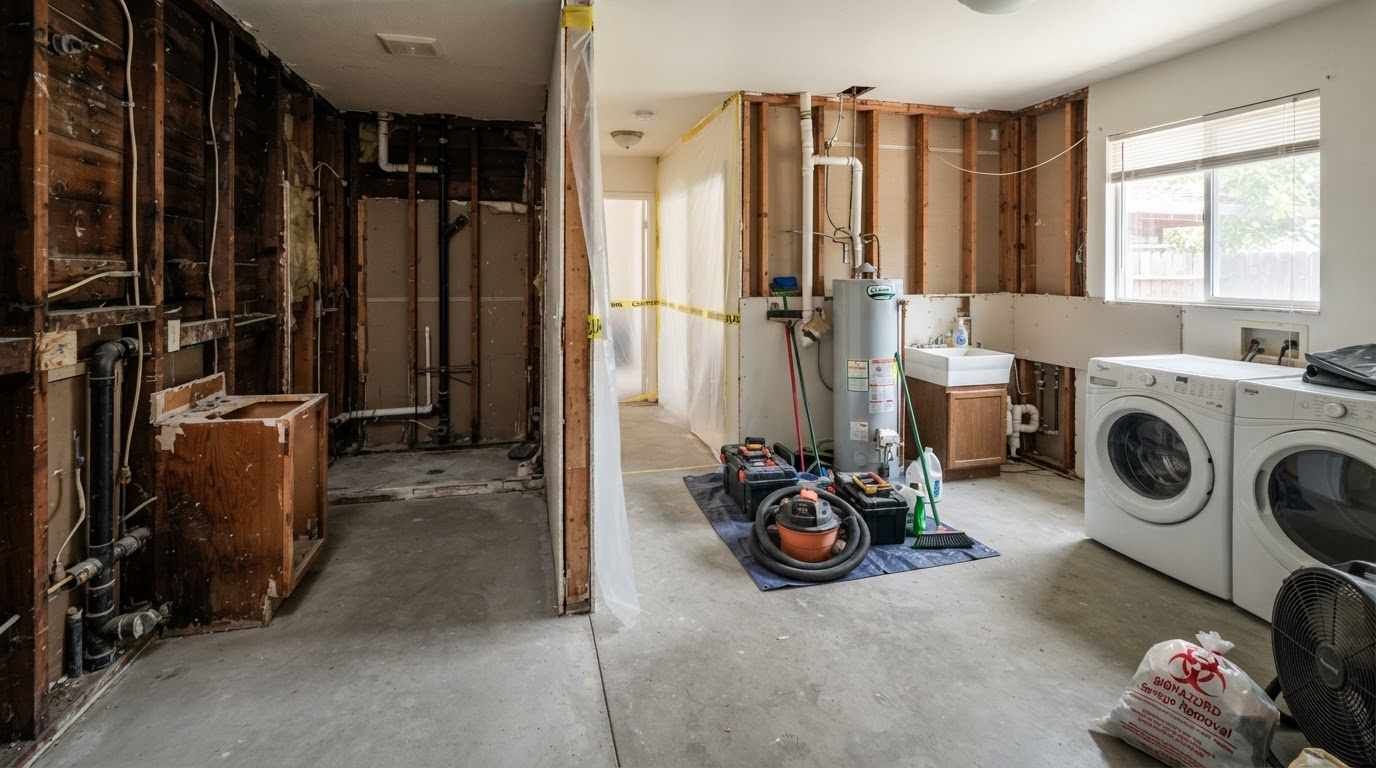
Burst Pipe & Plumbing Leak Cleanup in Canyon Lake
Water cleanup after a burst pipe or plumbing leak includes stopping or confirming control of the source, extracting water, tracing moisture migration, and drying affected building materials.
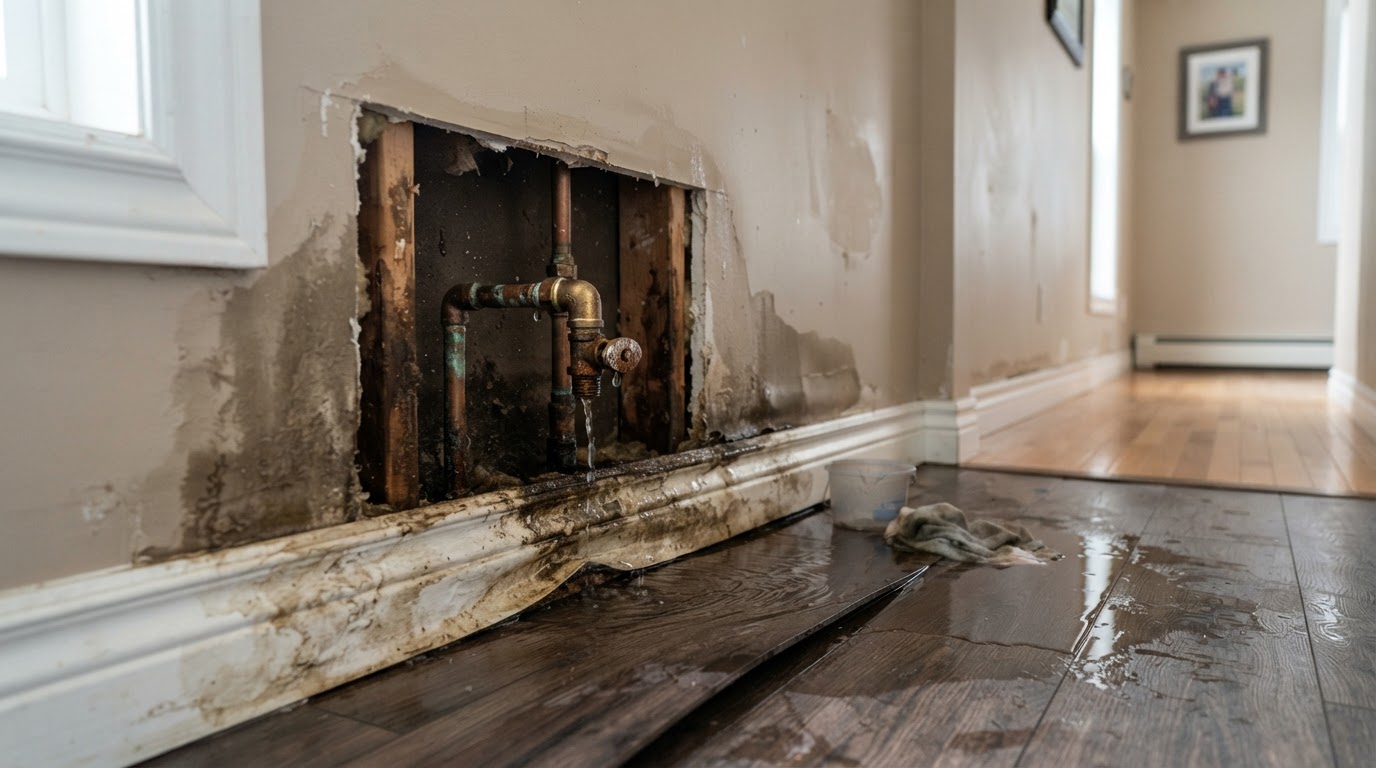
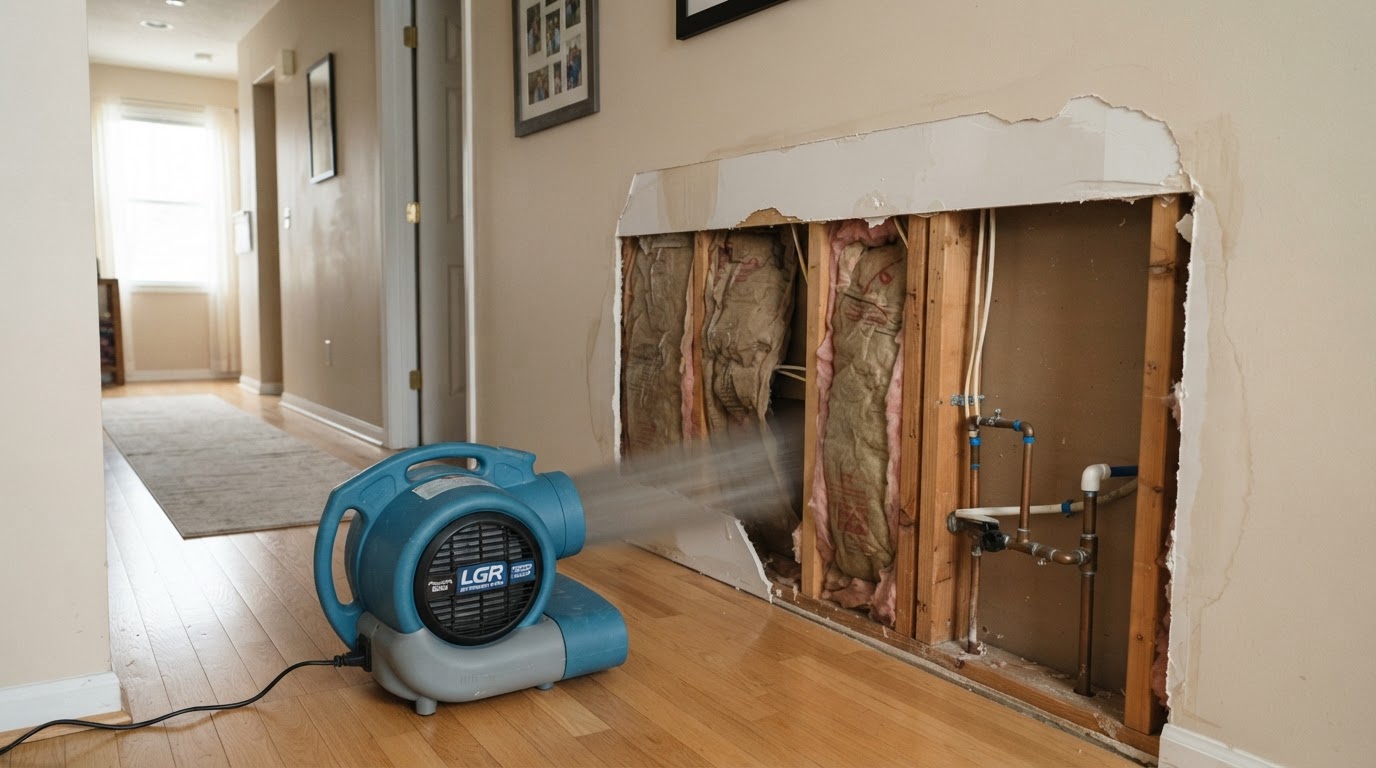
Storm & Heavy Rain Water Damage Restoration Near Canyon Lake
Storm-related water restoration may involve controlling interior moisture, extracting water, identifying affected materials, and drying structural areas once the source of intrusion is addressed.
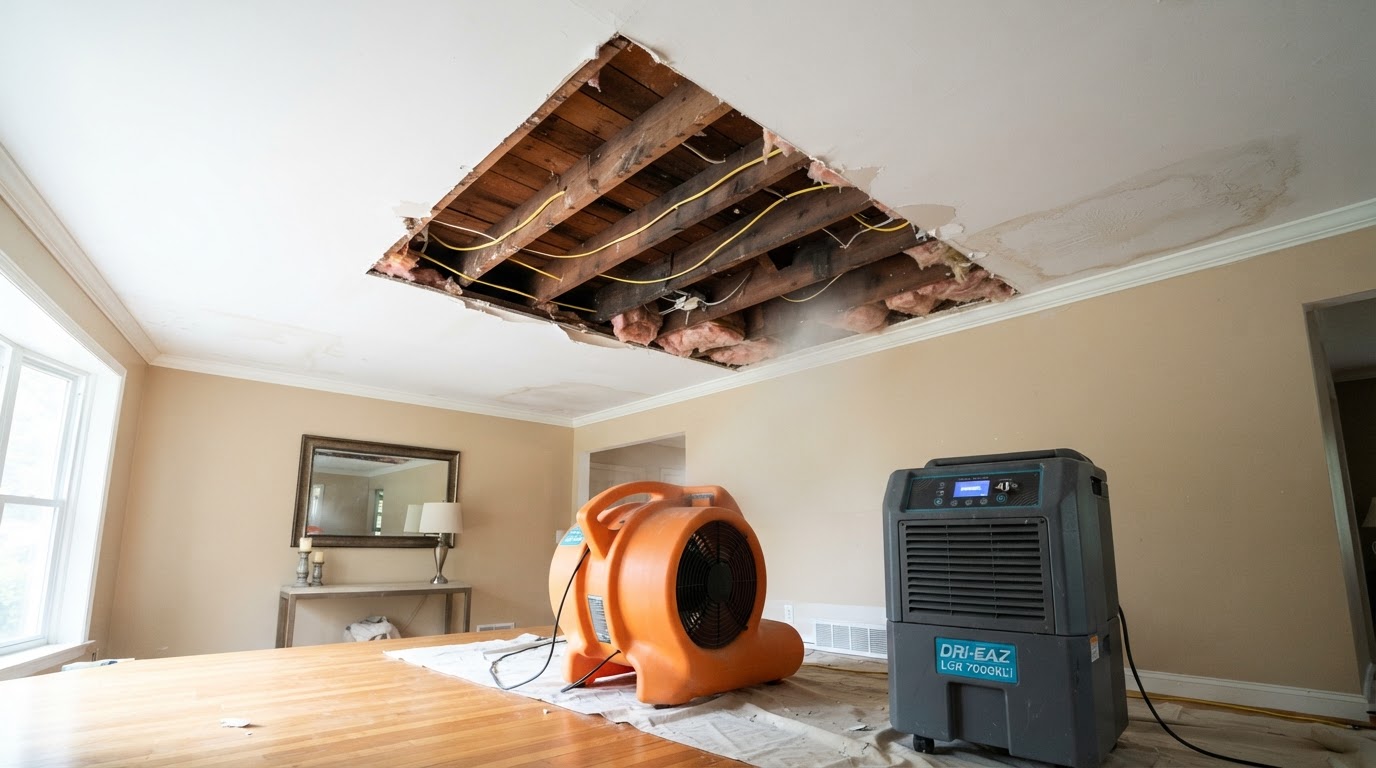
Structural Drying & Dehumidification in Canyon Lake
Structural drying uses moisture measurements, air movement, and dehumidification to reduce moisture in affected materials and help determine when drying goals have been reached.
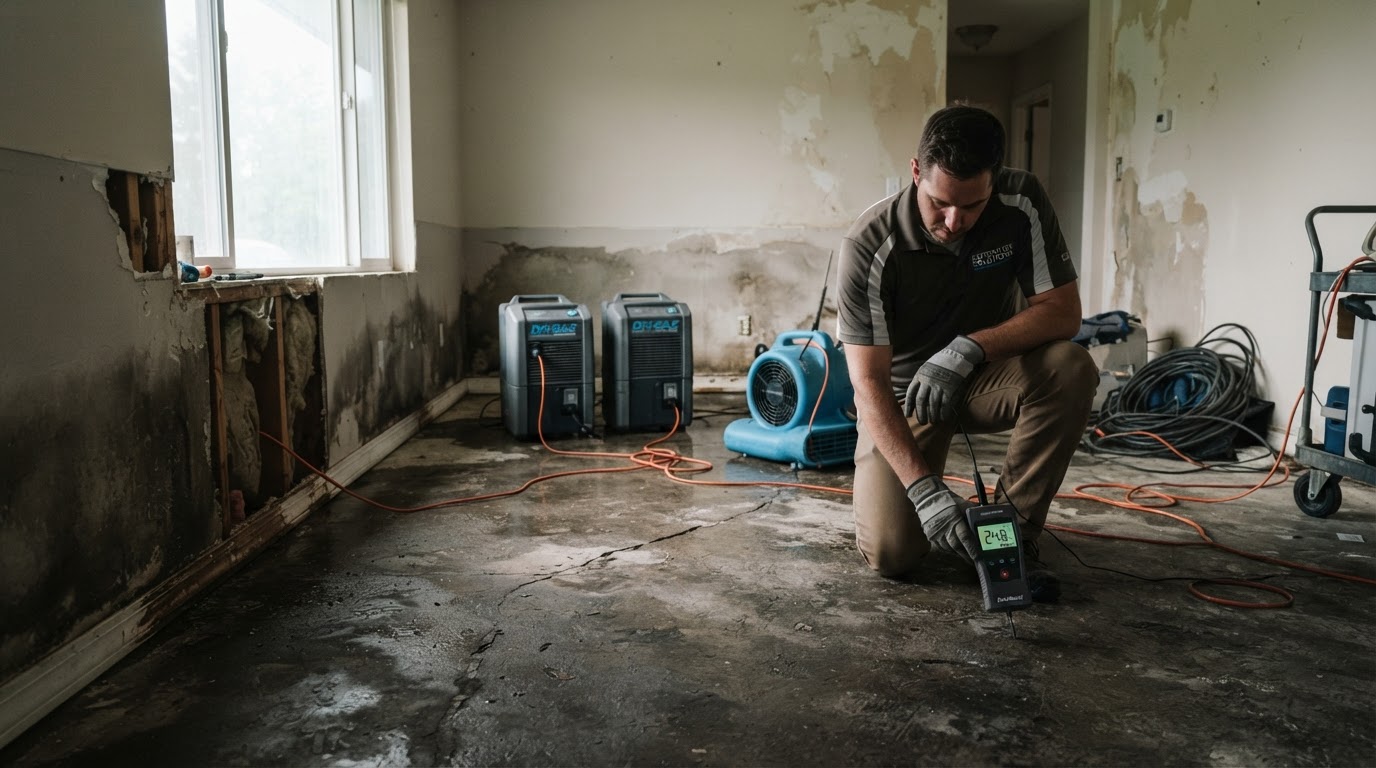
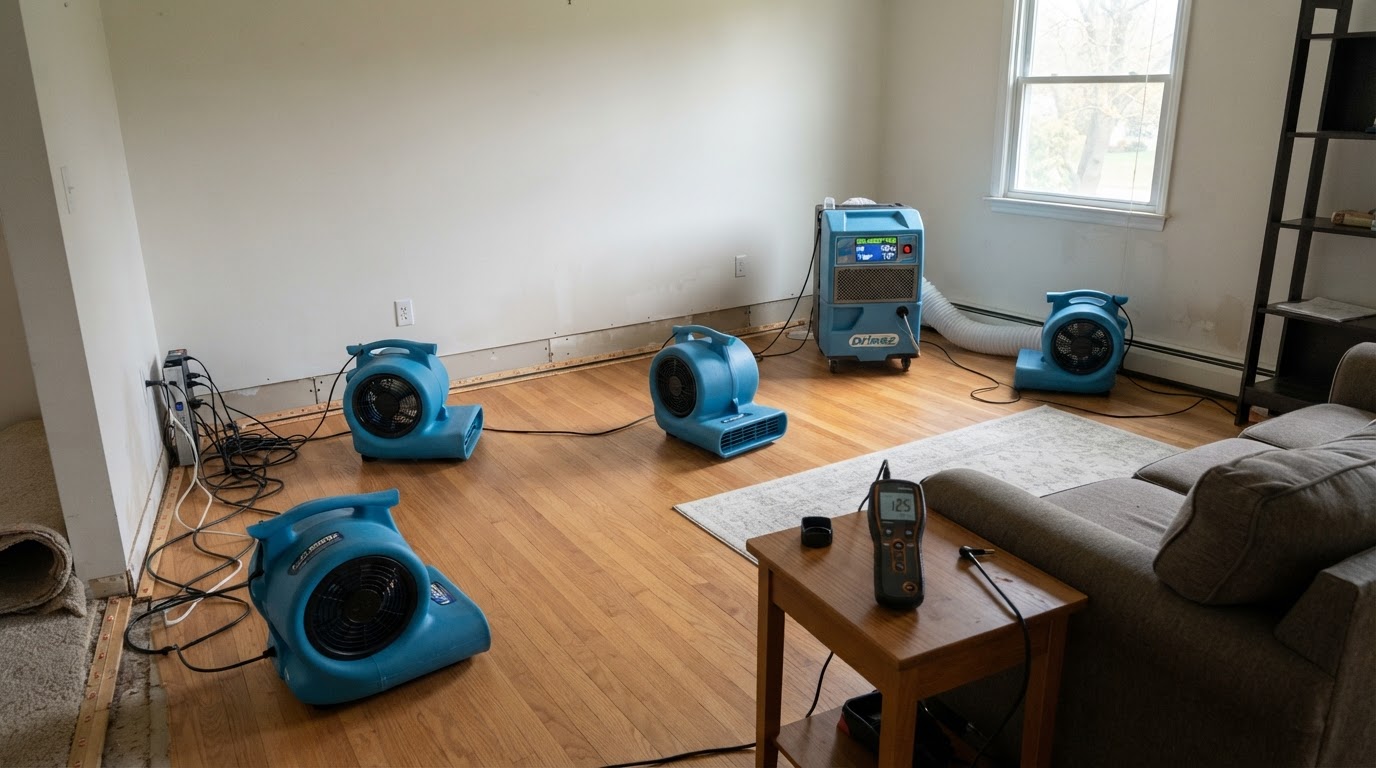
Commercial Water Damage Restoration Near Canyon Lake
Commercial water restoration focuses on controlling moisture, removing water, and coordinating drying around affected building areas while accounting for the property's materials and operational requirements.
Water Heater Leak Cleanup in Canyon Lake
A leaking water heater can affect flooring, baseboards, drywall, and nearby structural materials, making prompt extraction and moisture assessment important after the equipment leak is controlled.
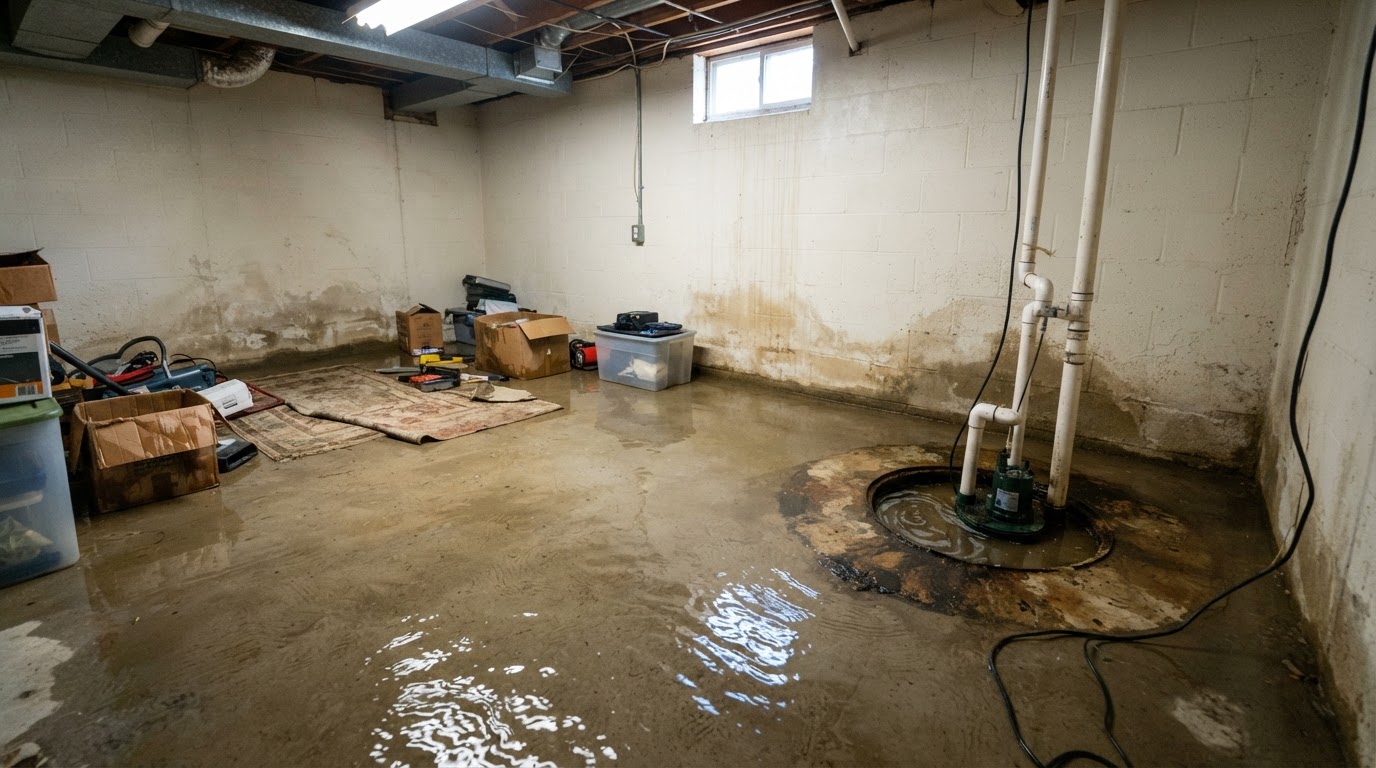
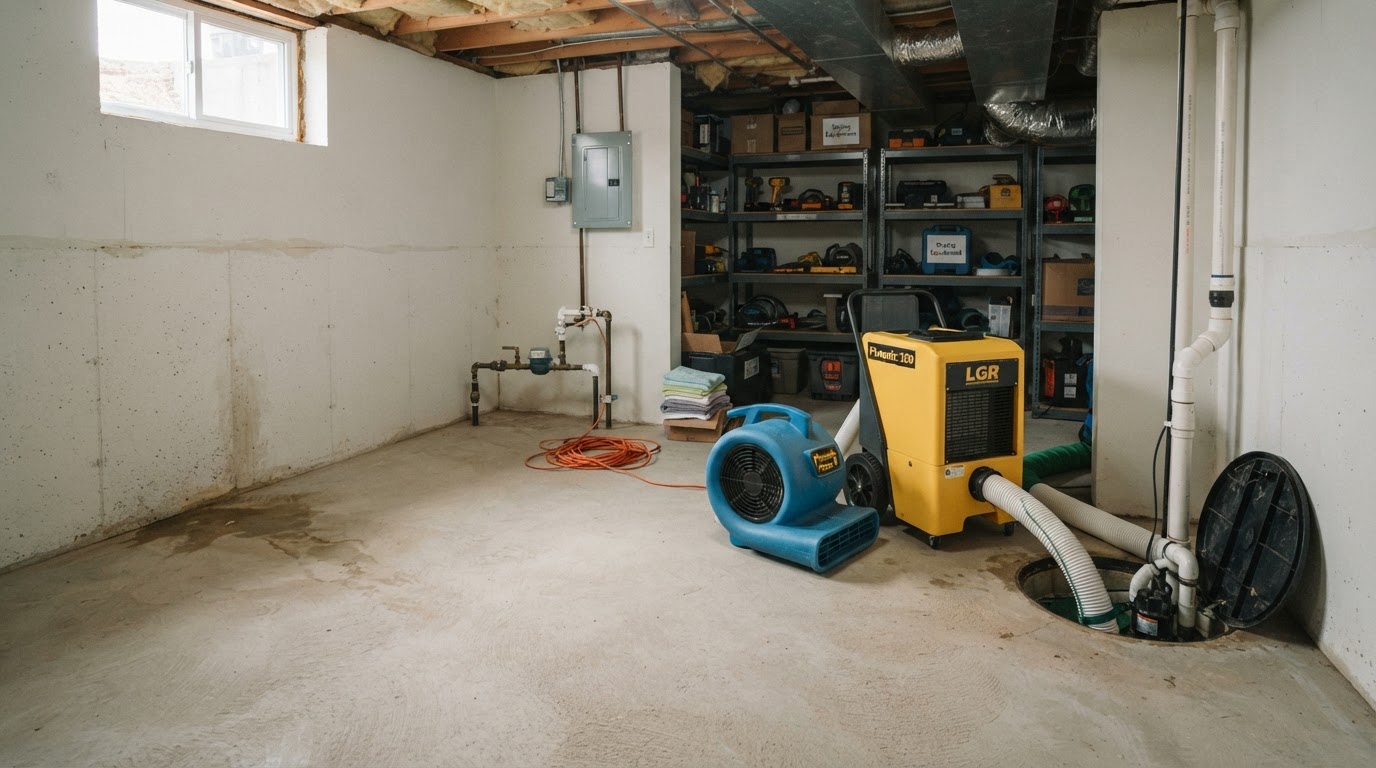
Sump Pump Failure & Overflow Cleanup Near Canyon Lake
Pump failures and drainage overflows can leave standing water that requires extraction, moisture evaluation, and controlled drying. Sump-pump services apply only where this type of drainage equipment is present and within the company's service scope.
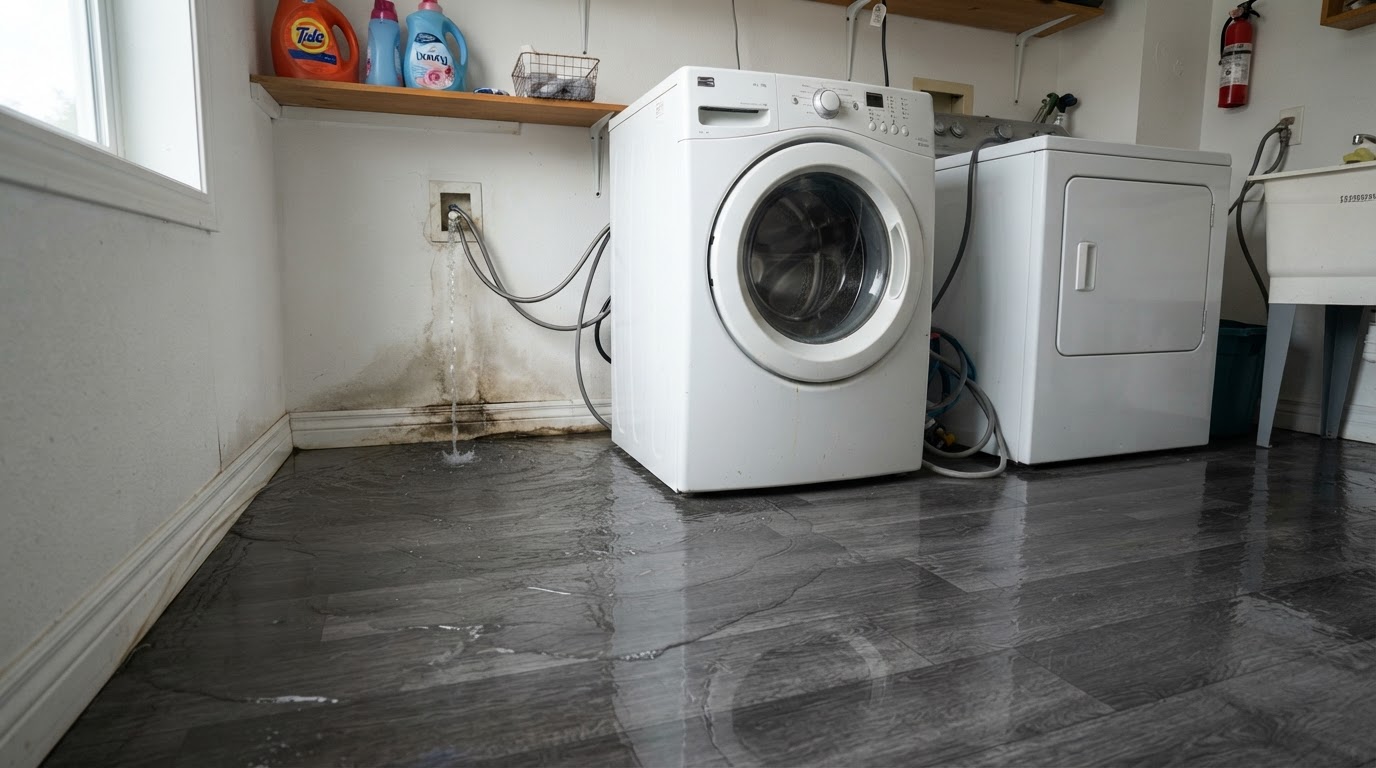
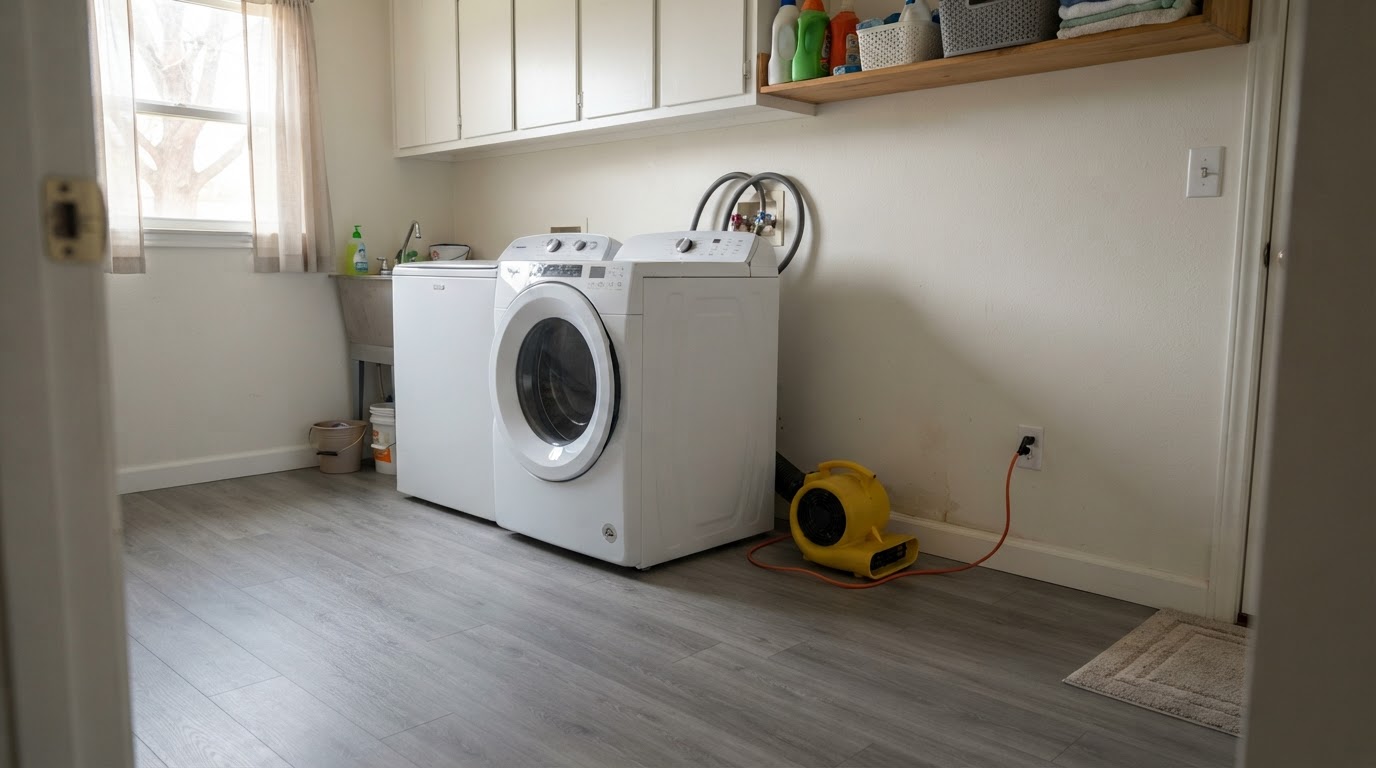
Appliance Leak & Overflow Cleanup in Canyon Lake
Appliance leaks can spread beneath cabinets, flooring, baseboards, and adjacent walls, so cleanup should account for both visible water and moisture that migrated beyond the immediate appliance area.
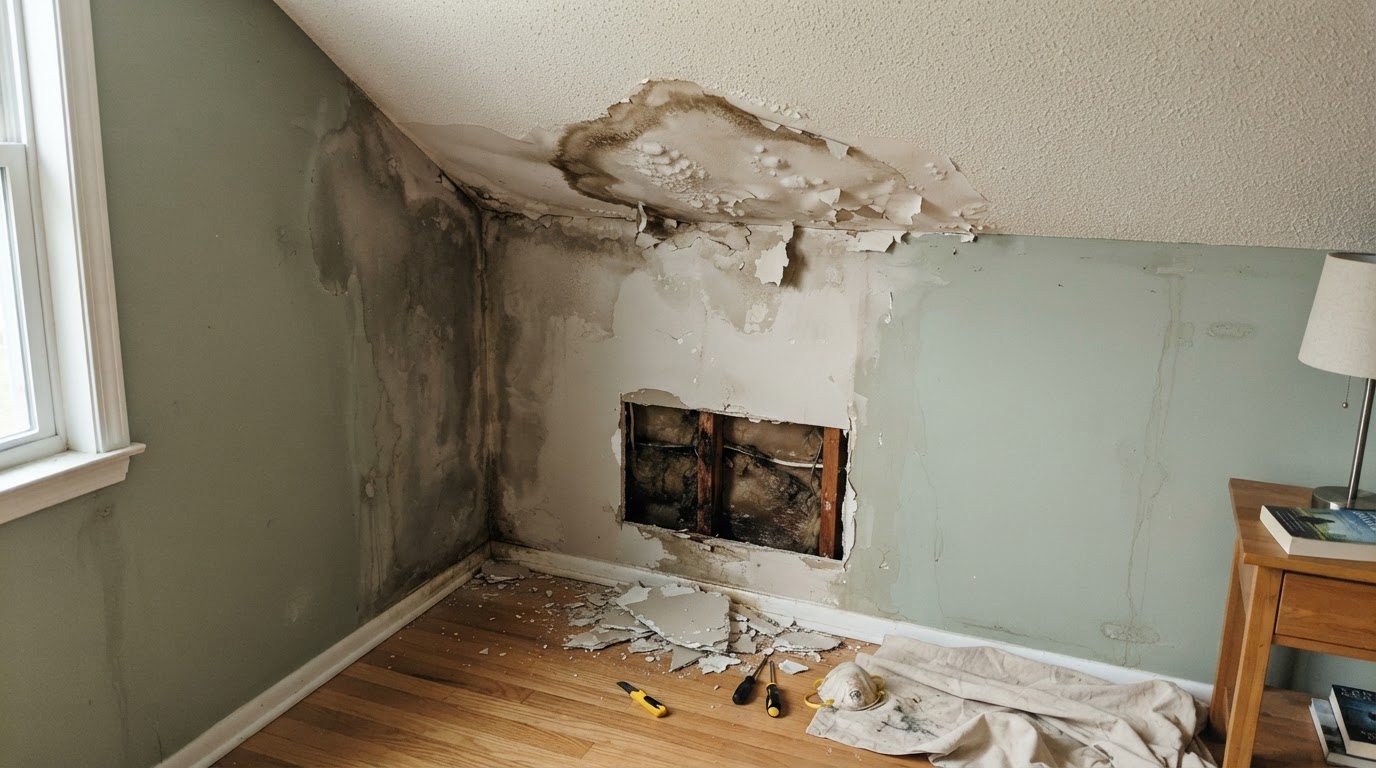
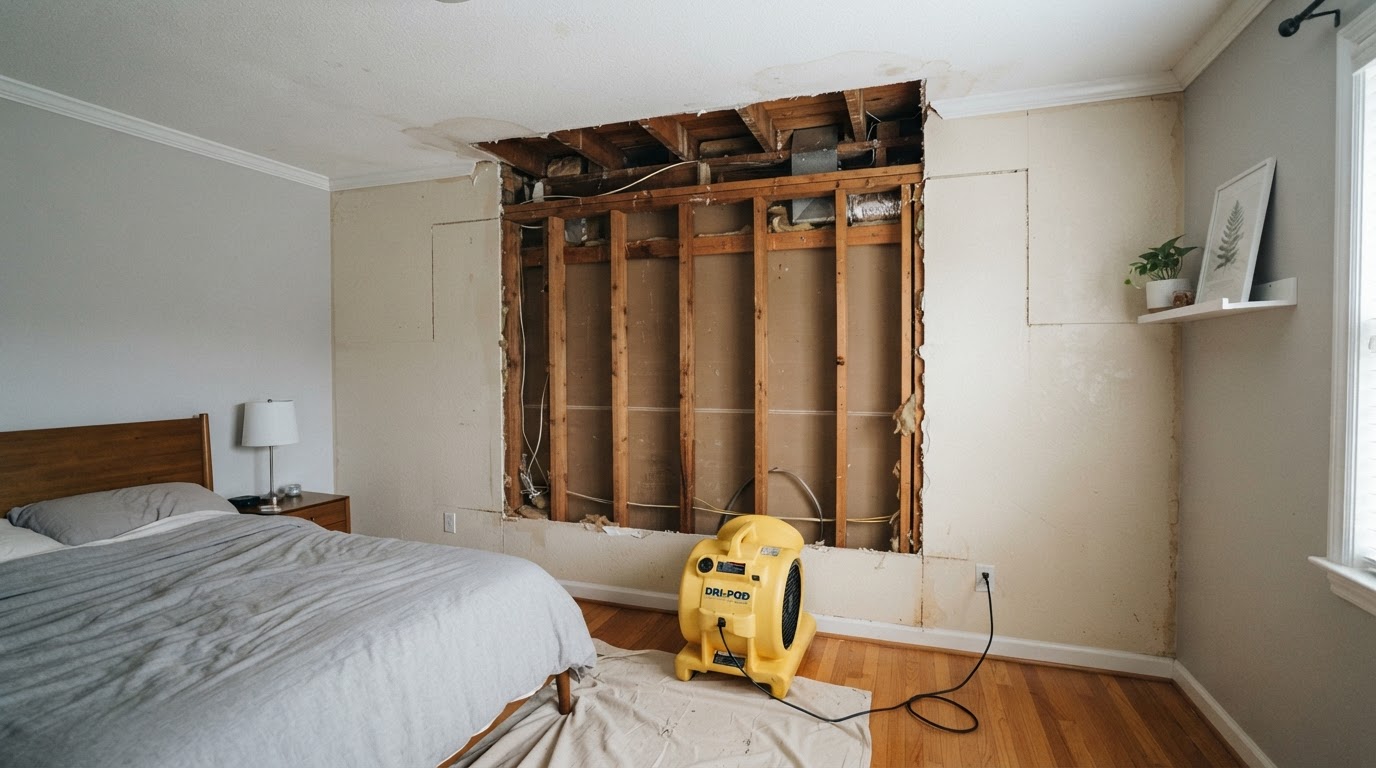
Ceiling & Wall Water Damage Cleanup Near Canyon Lake
Ceiling and wall water damage may require moisture tracing, selective material removal, cavity drying, and monitoring depending on how far water traveled behind finished surfaces.
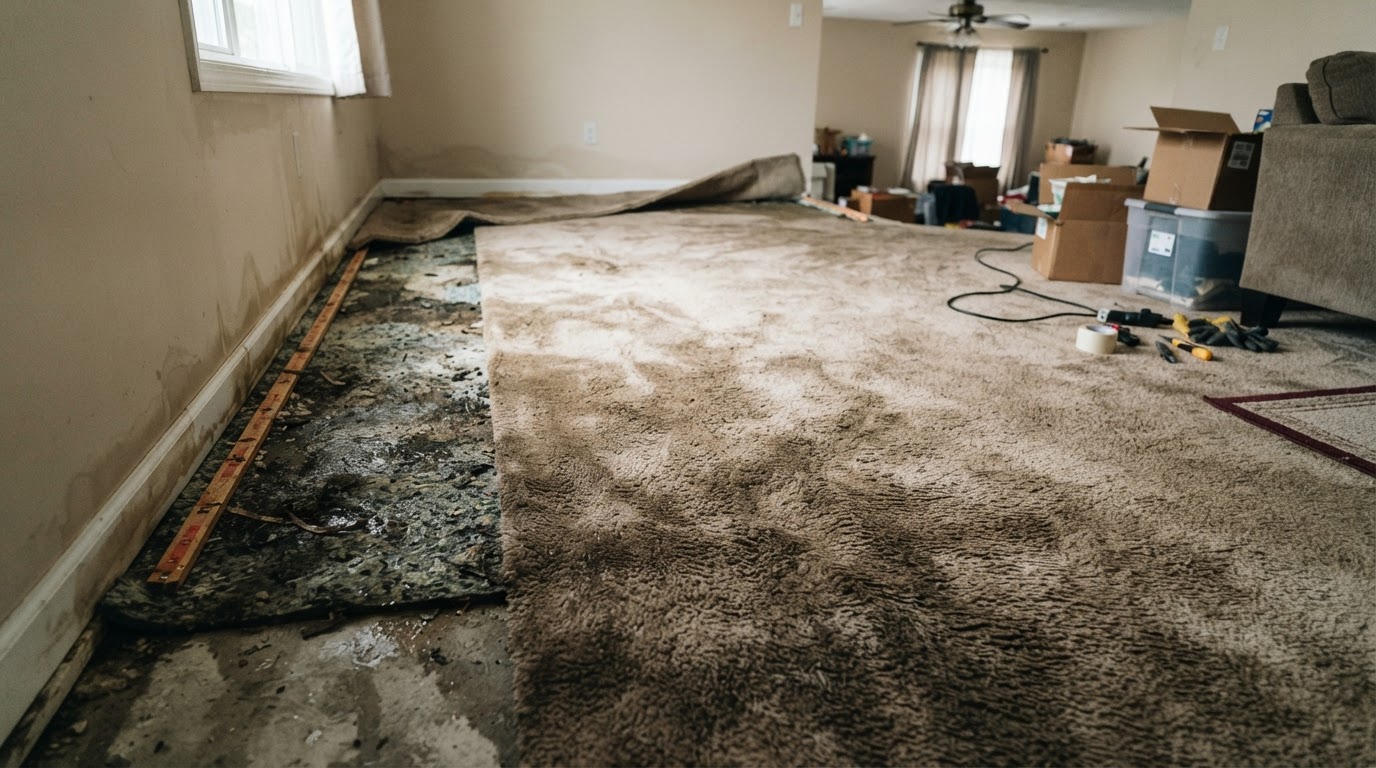
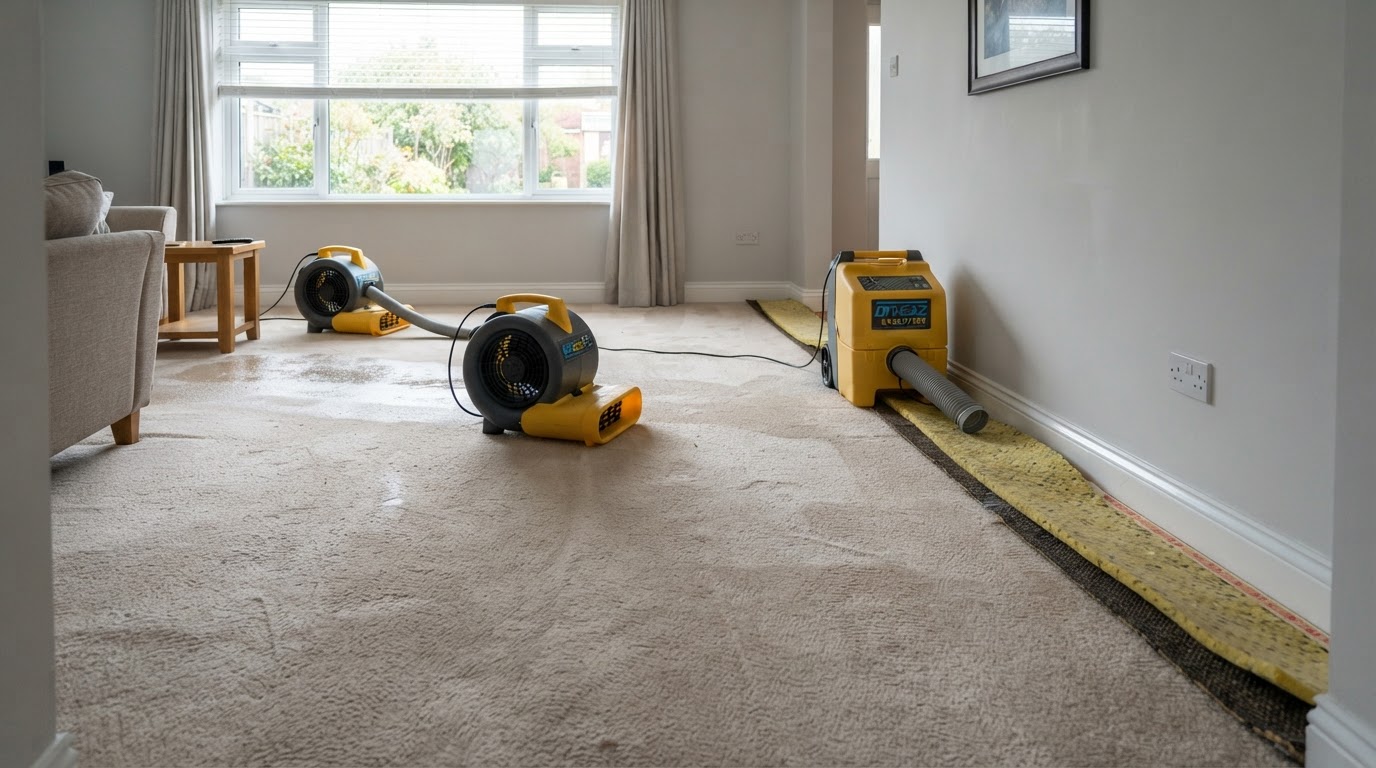
Carpet & Flooring Water Damage Cleanup in Canyon Lake
Water-damaged flooring must be evaluated according to flooring type, water source, duration of exposure, and moisture beneath the finished surface before deciding whether drying, cleaning, or removal is appropriate.
Need Water Damage Help in Canyon Lake?
Canyon Lake property owners or managers may provide the property location, type of water damage, suspected source, areas affected, whether water is still present, visible damage, approximate time the loss began, photographs where available, and preferred service timing to help the team assess the situation before recommending a response.
Canyon Lake Water Damage Restoration FAQs
Direct answers to the questions Canyon Lake homeowners ask most often about roof leaks, ceiling and attic moisture, and the restoration process.
Can roof leaks soak insulation in a Canyon Lake home?
Yes. Water that enters through a roof leak can run along attic framing and saturate the insulation above the ceiling drywall, along with the drywall and framing below. Wet insulation holds moisture against the ceiling and can stay wet long after the surface appears dry, so detection extends into the attic before drying is considered complete.
What should I do after water appears on my ceiling?
Contain what you can with buckets or towels, move belongings away from the wet area, and avoid standing in water near any electrical fixture. Arrange roof repair to stop the source, then contact a water damage restoration team for extraction and drying of the ceiling, attic, and wall cavity. The ceiling stain is often only the end of the water's path.
Can water travel through attic materials?
Yes. Water that enters an attic through a roof leak can run along rafters, soak insulation, and wick into the ceiling drywall and wall cavities of rooms below — appearing as a stain far from where the water actually entered. The full moisture boundary extends above and behind the visible mark, so detection covers the attic and wall cavity.
Does hidden moisture require drying after the leak is repaired?
Yes. Even after the roof leak itself is repaired by a roofing contractor, the moisture that traveled into ceiling drywall, attic insulation, and wall cavities remains and must be dried separately. Without controlled airflow and dehumidification, that residual moisture can cause staining, warping, and conditions favorable to microbial growth weeks later.
Can wet drywall be dried after a roof leak in Canyon Lake?
Ceiling drywall can often be dried if the water source was clean, saturation is limited, and drying begins promptly. However, drywall that has absorbed contaminated water, shows swelling or crumbling, or stayed wet too long may need to be removed. Wet attic insulation is sometimes removed and replaced rather than dried.
What happens after a water heater leak in Canyon Lake?
After the leak source is stopped, the water that spread from the utility space into adjacent rooms and beneath nearby flooring is extracted and dried. Wet drywall, baseboards, and the subfloor are evaluated for drying in place versus removal. The water heater itself is repaired or replaced by a plumber — restoration addresses the resulting water damage, not the appliance.
How do I request immediate water damage help in Canyon Lake?
Call 830-356-3743 to check current service availability for water extraction, moisture mapping, and structural drying at your Canyon Lake property. Phone calls are the fastest way to reach the team.
Do you provide water damage restoration outside Canyon Lake?
Yes. Water damage restoration assistance is available across the Canyon Lake area and surrounding Central Texas communities, including New Braunfels, Spring Branch, Bulverde, and Garden Ridge. Call now to check immediate availability for your specific location.
Need Water Damage Restoration in Canyon Lake, TX?
Call our team now at 830-356-3743 to check immediate availability for water extraction, moisture mapping, and structural drying at your Canyon Lake property.